Those who cannot remember the past are condemned to repeat it.
George Santayana
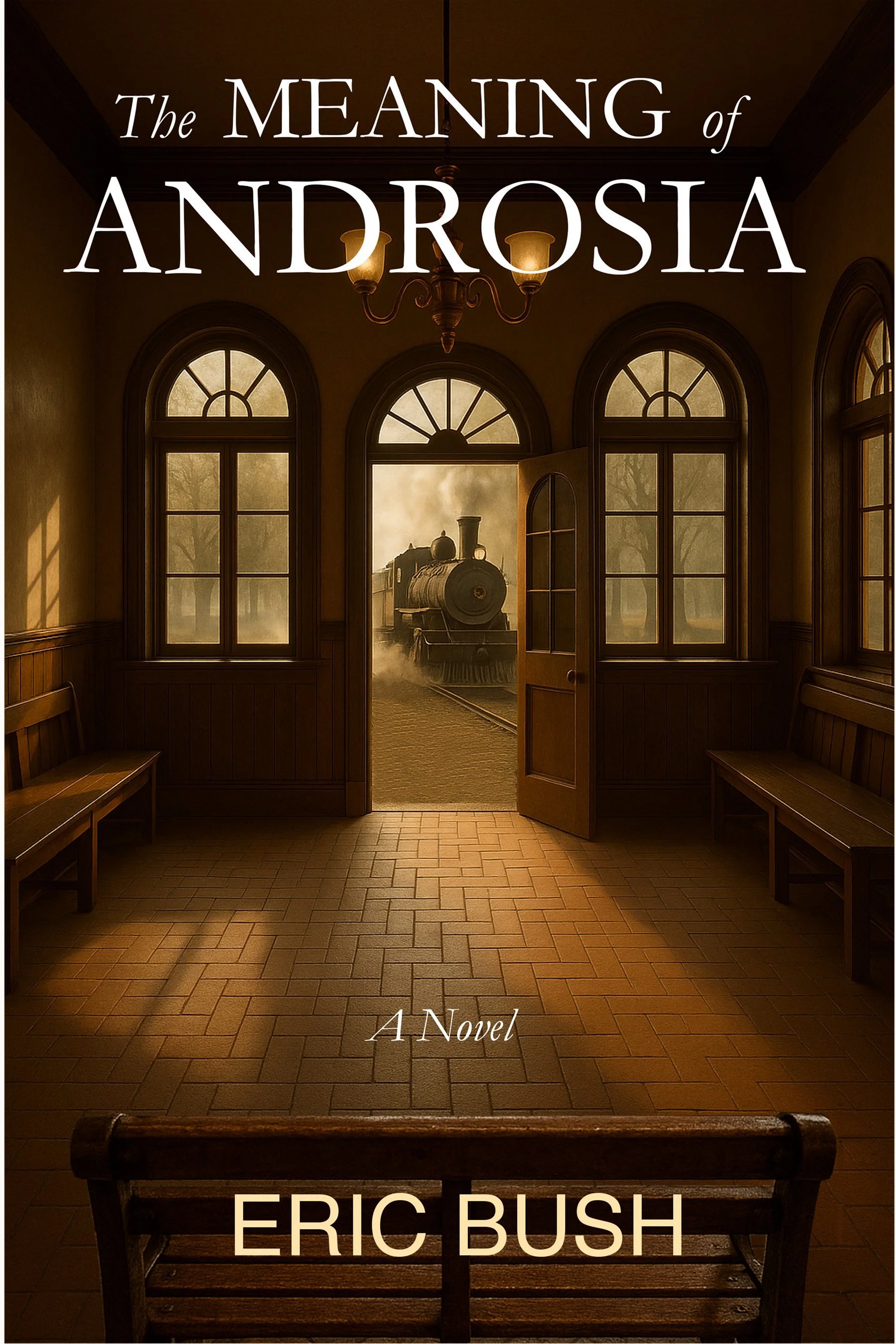
It was a time of steam locomotives and horses, of city-states and principalities ruled by monarchs – but it did not take place in the past. It was a time of civil war between Protestants and Catholics over direct access to the Messiah – but the Messiah wasn't Jesus. It was a place where Orthodox spires dotted the landscape, and people addressed each other with matronymics instead of patronymics – but it wasn't a Slavic country, or even in Europe or Asia. It was a culture that venerated the great writers and composers from prior centuries – but their names were not Bach, or Shakespeare, or Beethoven. And when mid-winter rolled around, everyone celebrated the traditional holiday by decorating fir trees – but it was not Christmas. In short, it was a time very much like past centuries of our own – except that it was different. Something had happened to change the course of history.
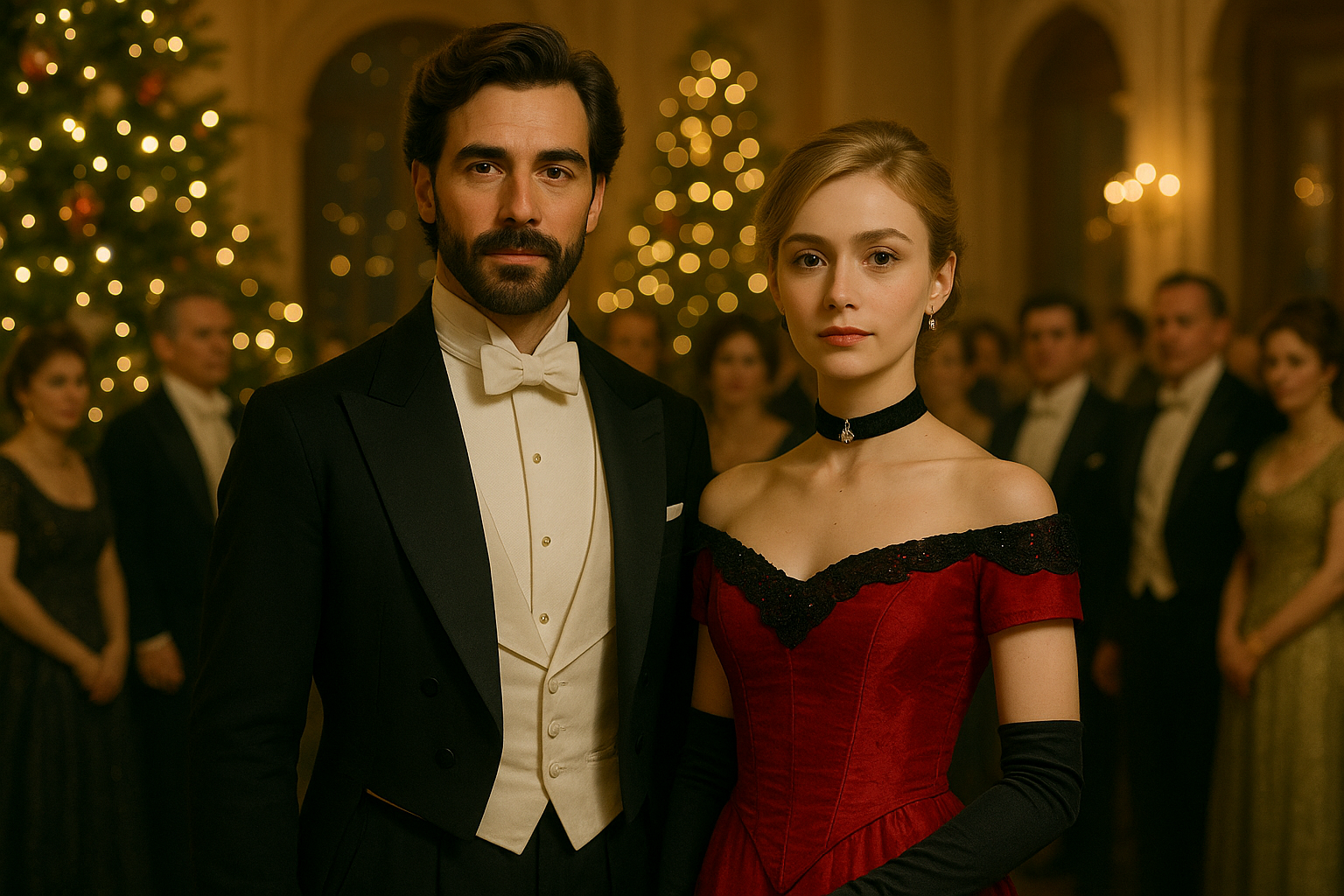
Thus begins the story of Ilya Erynovich and Katerinya Emlynovna, a lifelong search for the meaning of something from the past. Ilya doesn't know where he came from, or how old he is. He seems to know things he couldn't possibly have learned. He has skills he couldn't possibly have acquired. He is sought out, and sometimes captured, by political and religious leaders, and constantly followed by anonymous stalkers.
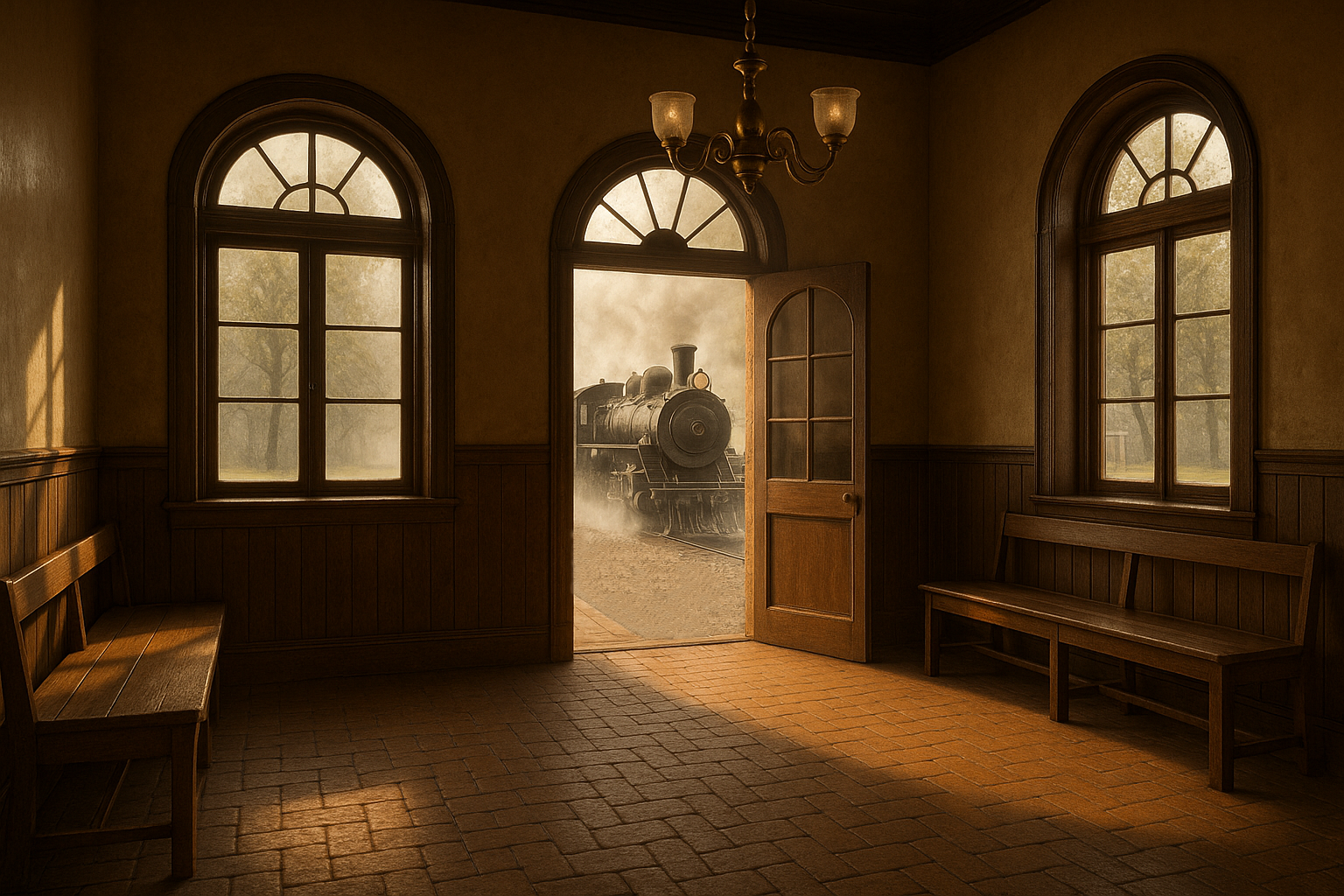
At first, he doesn't even know that he is Ilya. He wakes up one evening in a train station, unable to remember anything about himself, including his own name. As he searches for someone – anyone – who might know who he is, he encounters Katerinya, a young writer, who takes an interest in his predicament and offers to help. She takes him in, and although strangers, they soon develop a mutual affection that blossoms into love.
This turns out to be good memory therapy for Ilya, and he recovers his knowledge of the last 20 years or so – but then it becomes stuck. He can't remember anything prior to that. And it soon becomes clear to them that Ilya's past self has left messages for his present self – there is something about the past that his present self needs to know – but the clues are cryptic and hard to decipher.
Over the course of a 24 year love affair, buffeted by political and religious intrigue, two epidemics, and a civil war, Ilya and Katerinya finally figure out who he really is ... or was. But it's not what either had expected.
Watch the iMovie
A trailer for a novel? Why not? But it’s longer than a movie trailer. You’ll want want to watch it in full-screen mode in a desktop browser.
[Just hit the icon on the lower right corner of the player.]
The Making of the iMovie
Generative AI has reached the point where this is now possible. But we are still at the bleeding edge. The AI is unbelievably good at some things, and laughably incompetent at others. There is a learning curve.
Literary Awards

Winner of the Feathered Quill 2026 Bronze Award for Best Adult Fiction
Some Reviews
From Reader Views:
... Eric Bush has given us a literary work that successfully tells a story that is complex, emotional, and leaves you on edge every time you have to set the book down. His writing is easy to read, but the story is dense at times. The layers of this story are stitched together well ...
From Readers’ Favorite:
... Eric Bush’s storytelling is atmospheric, accomplished with minimal dialogue and terrific descriptions that focus on exploring the emotions and psyches of the characters. A character like Ilya ... caught my attention instantly, and I wanted to see how his journey to recovering his memory and embracing his identity unfolds. The author uses this premise to inject suspense into the story. The worldbuilding is exceptional, brimming with tension and a clash of forces ...
From Likely Story:
... the eventual meaning of Androsia was probably my favorite part of the story. The word and symbol keep resurfacing in different contexts, but for much of the story neither Ilya nor the reader has enough information to understand what they actually represent. I liked the way the novel slowly builds that question into something larger than a simple conspiracy or secret organization. Androsia becomes tied to the book’s broader interest in memory, identity, and the ways knowledge can be lost, altered, or misunderstood over time ...
Ilya and Katerinya’s relationship is also a huge part of the novel, much more than I expected when the story began. ... Their romance is unusually gentle, built around trust and companionship rather than conflict, and I liked the idea that neither of them really pursues or conquers the other. As Katerinya eventually describes it, they simply started moving in the same direction together. That relationship becomes much more bittersweet once the truth about Ilya finally comes into focus, because the mystery they have spent so long solving ultimately tells them something neither can undo ...
By the end, the book becomes less about solving a conspiracy and more about what it actually means to preserve something. Scientific truths can be rediscovered because the underlying laws don’t change, but art, religion, culture, and even our definitions of genius depend much more heavily on what happens to survive …