What if we could create life from chemicals? What if we could reduce love to molecules, regrow new hearts from skin cells, or regrow new humans from cuttings, like plants? What if we could resurrect our ancestors, make ourselves immortal, or even grow younger? If these science fiction scenarios give you pause, you are a little behind the news. It’s already happening, in labs all over the world.
The meaning of life used to be simpler. But it turns out we were wrong about a lot of the details. Some of the things biology has discovered recently still fit the original contours, allowing us to understand how once mysterious life processes actually work, often in surprising and ingenious ways that are more awe inspiring than the miracles they replace. Some of these discoveries render old meanings of life completely incoherent. And some will require us to re-imagine the meaning of life in yet to be determined ways.
The Origin of Life
If you were waiting for the magic moment, or the special ingredient that turns non-living matter into living matter, you will be disappointed. All of the parts were already there. The actual flipping of the switch from non-life to life was a huge anticlimax in the grander scheme of things. In the scientific story, the magic moment never arrives. It was just an ordinary day on the primitive Earth, with the usual bunch of polymers banging into and catalyzing each other. Almost without notice, some group of them achieved, at least temporarily, the requisite three-way combination. No one applauded, no choir sang, no celebration ensued. There probably wasn't even a single event. More likely, there were many such events – a lot of near misses, a lot of temporary starts that didn't last, a lot of advancings and retreatings – before life took hold permanently. But the world looked pretty much the same immediately before and after.
Could Life Have Been Different?
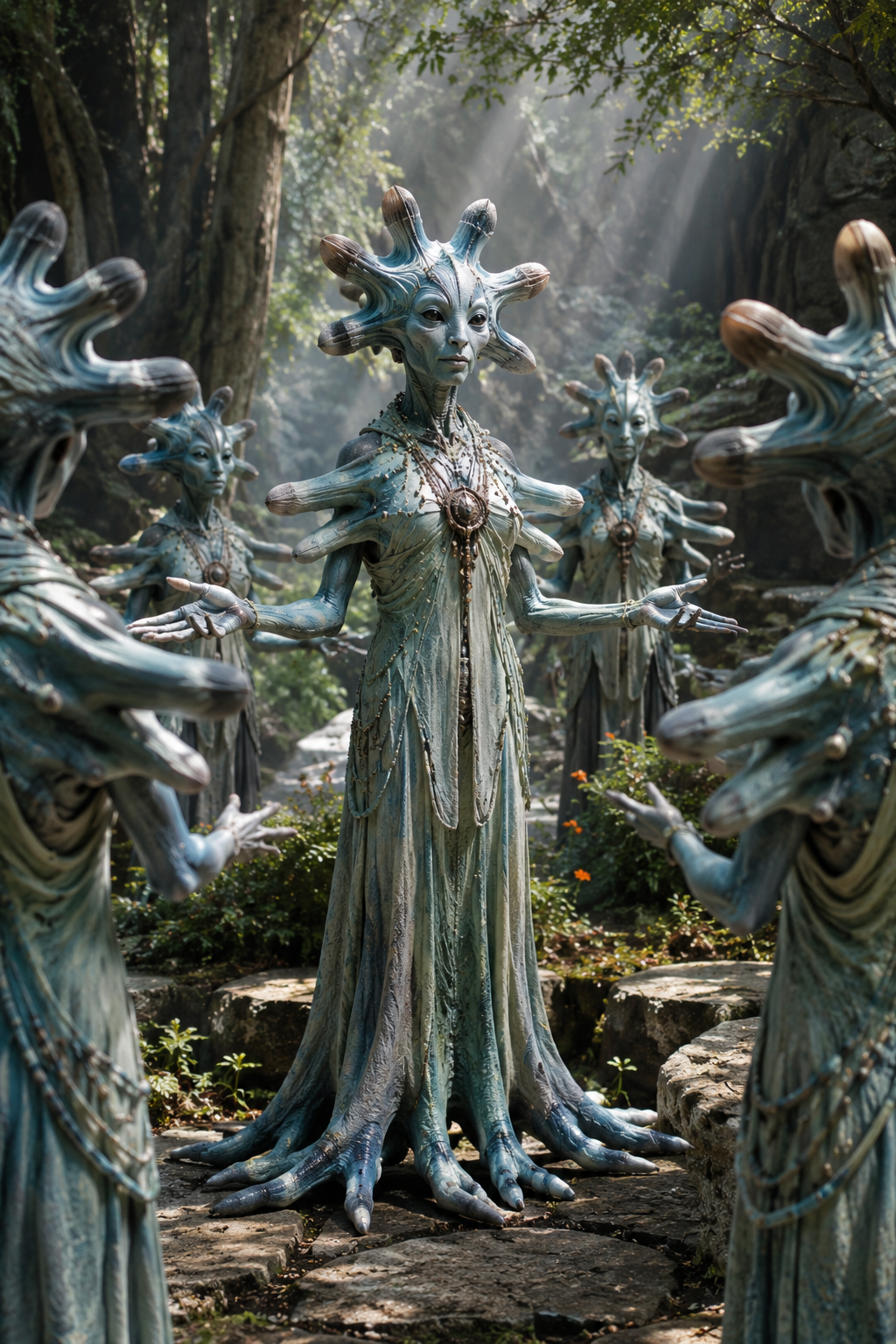
When you think about life from the biological perspective, and the fact that we can't seem to find any compadres on our planetary neighbors, one of the aspects that strikes you is the possibility that life on Earth may never have happened at all. It's apparently nowhere near as probable as the formation of stars and planets. Along with this comes the more playful thought that, since life is contingent on the way certain planetary processes come together, and continues to evolve one way rather than another based on these same environmental buffetings, perhaps we could have turned out very differently than we actually did. Are there perhaps just a few trajectories along which intelligent life could have evolved, so any outcome that included intelligent life would look something like us, or are there more degrees of freedom, allowing us possibly to have looked very different then the way we are now?
Me and My Bacteria
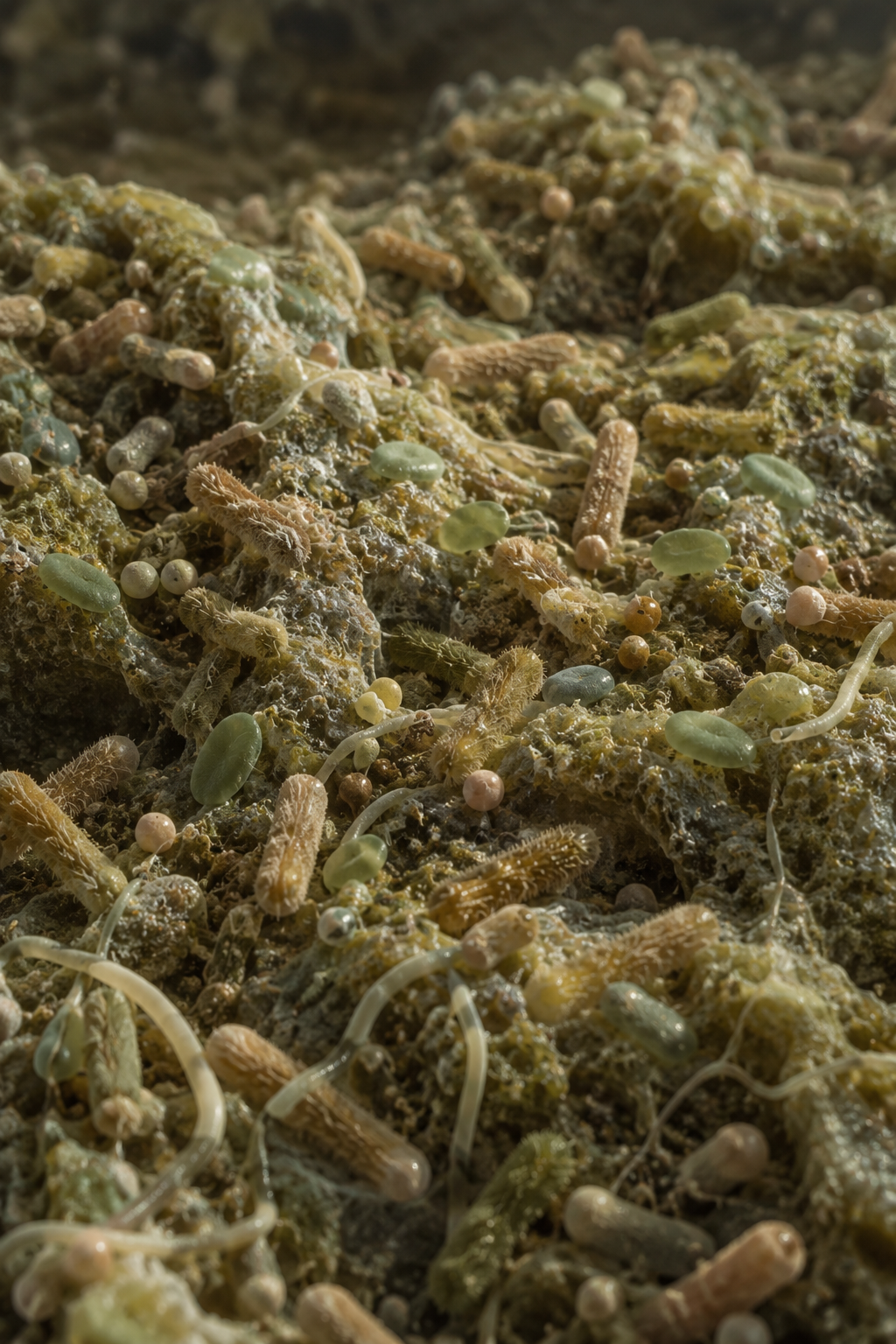
Well, remember how you are really composed of a large community of cooperating cells that originated by successive divisions from your first cell? You have about 37 trillion of these, according to the most recent estimate. That’s pretty big. But that huge bio-community of cells that makes up your body, that jointly works together to enable you to survive and prosper, actually consist of about 137 trillion cells. Yes, that’s right. About 75% of them are not yours. They are the individual bodies of your personal bacteria (mostly). They live on your skin, in your hair, in your eyes, in your ears, in your nose, in your mouth, in your stomach, in your intestines, in your vagina. They digest your food and maintain the health of your skin and gut lining (among other things). You coevolved with them over millions of years. You depend on them; they depend on you. You can’t survive without them. Germs are us.
Consciousness and Reality
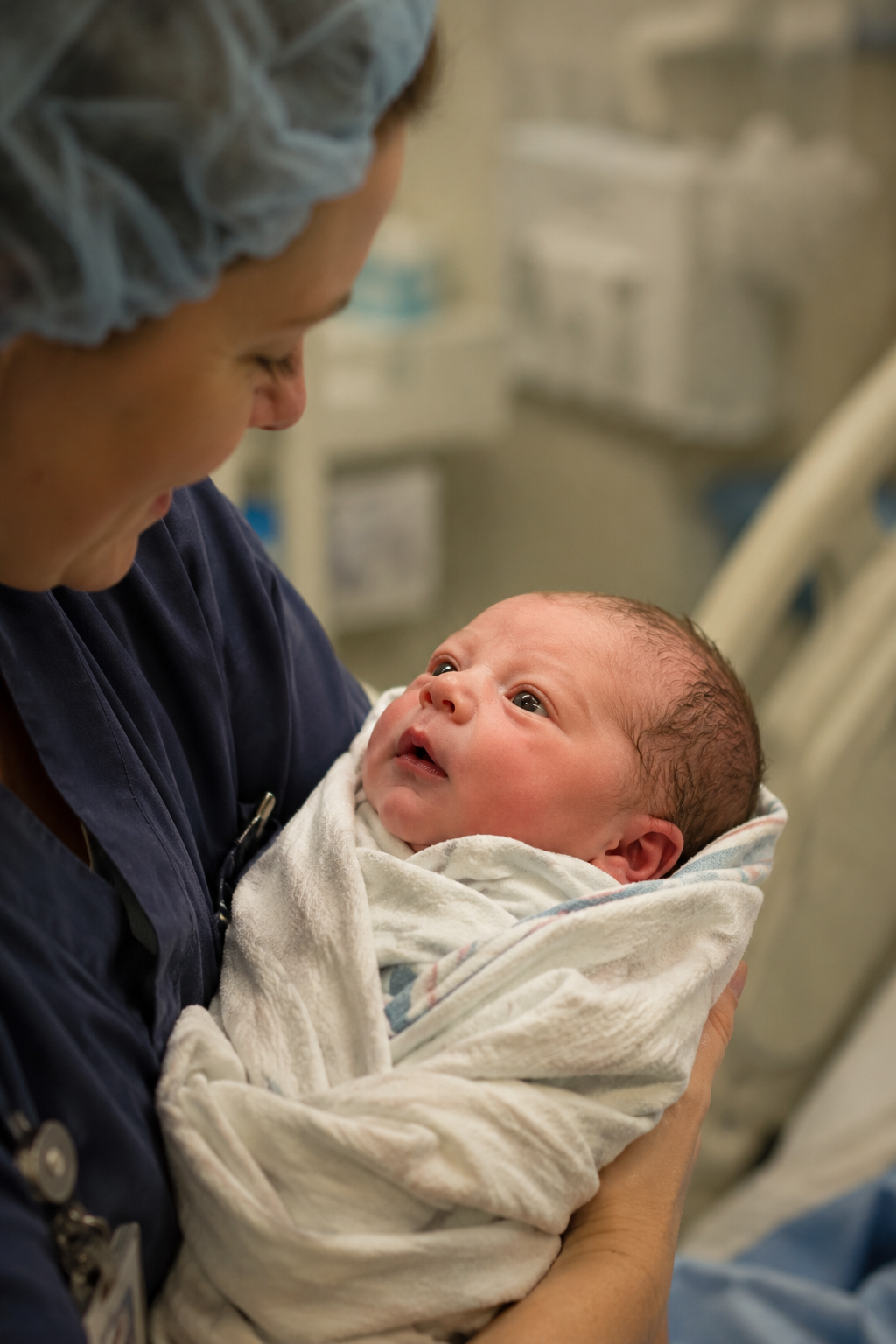
But consciousness clearly does emerge from non-consciousness at a certain level of biological complexity. To see this, we need only contemplate our own embryogenesis. What's it like to be a zygote? What would it feel like to be a single-celled, newly fertilized human egg? This question makes just as much sense or non-sense as the question about a bacterium. Each of us was once one of these single-celled entities. If a bacterium doesn't have consciousness, neither did we. But in the course of nine months, each of us developed gradually, step by incremental step, into a multi-celled creature with a nervous system that does have consciousness. Somewhere along the line, it emerged. It may well be that somewhere along the line even you, the person, emerged from a non-conscious, non-person. Were you really you when you were a zygote? We can ask the consciousness question at any number of stages on the way up. What’s it like to be an embryo? What’s it like to be a fetus? Somewhere along the line, the question makes sense. So either consciousness comes in degrees, or perhaps it’s consciousness all the way down, but the lower you are on scale, the fewer things you are conscious of.
Running Life Backward
What Yamanaka discovered was that mature, fully differentiated adult cells, such as skin cells, or muscle cells, or neurons – any cell, actually – can be driven backward in biological time to an embryonic state from which it is capable of becoming any other type of cell in the animal’s body, or a whole new version of the animal itself.
The transmutation of cell types happens on Earth only in one direction. And we still understand considerably less about what makes two cell types different than what makes two atomic types different, even though the unidirectional transformation of cells happens right in front of us. It was certainly reasonable to assume that since it never goes backward in nature, there must be some fundamental biological reason for this. So Yamanaka’s discovery was a sort of alchemy. He didn’t discover nature doing this, something everyone else had just missed. He discovered the magic formula for intervening in nature to make it do this. To make it violate its own immutable laws – and it still works! The forward
direction of biological time was apparently neither immutable nor a law, just one of the ways development can work. It can also work in other, radically different ways, even though it never has (that we know of). Nature has stunned us before with its robust modularity (DNA, the Hox genes), but this is crazy. And like true alchemists, researchers were quick to use the magical formula to make medical gold.
Death
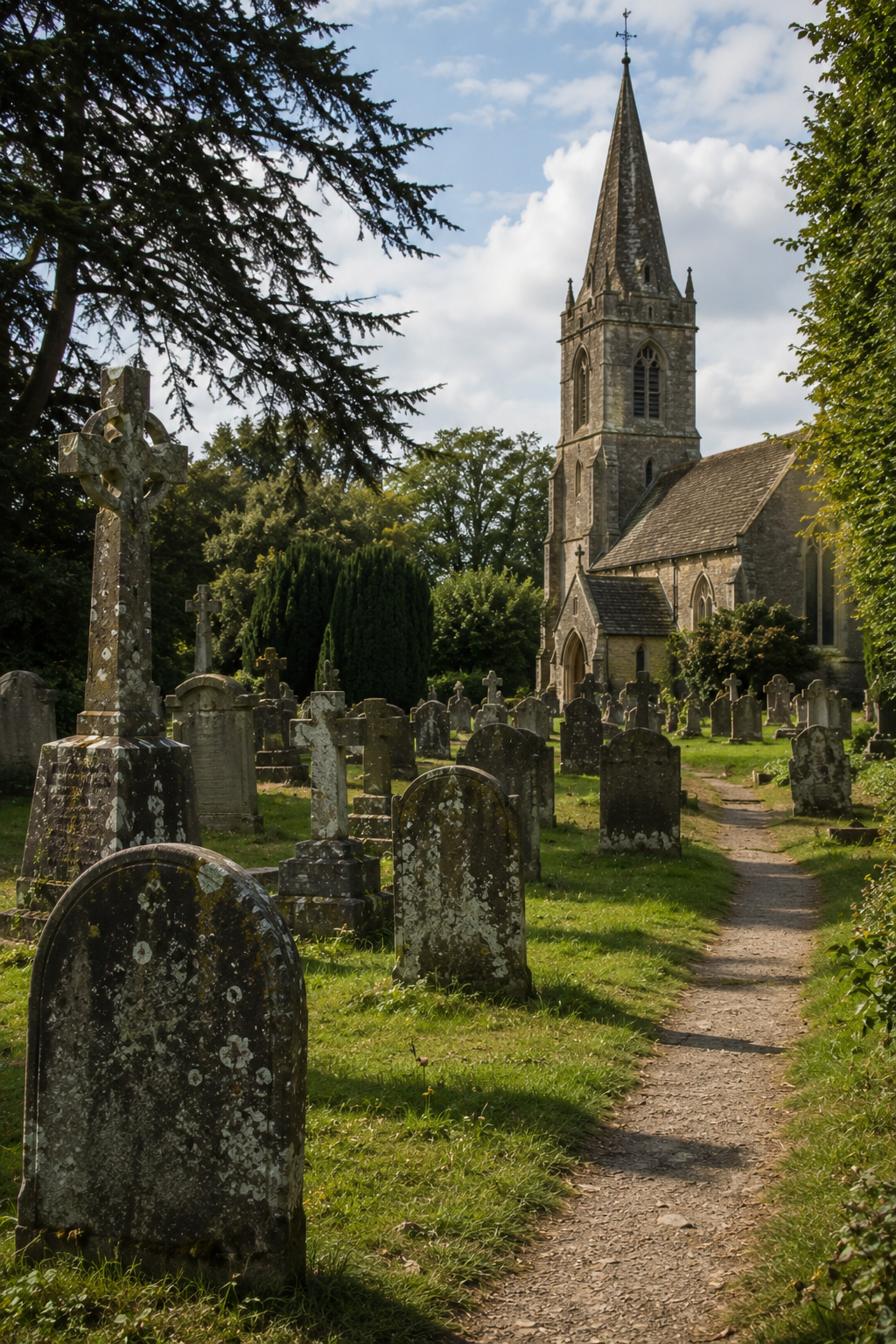
You don’t need religion, of course, to persuade you of the inevitability of death. This comes to us naturally. Even if you don’t see a lot of dying, you see a lot of aging. Everything grows old, weathers, declines, atrophies, wears out, dries up, wastes away, decomposes over time. This is our folk theory of entropy. Bodies are no exception. In biology, this process is called senescence – a gradual winding down of biological structure ending in disintegration. If bodies didn’t senesce, they still wouldn’t necessarily be immortal, because you can always be killed by accidents, or violence, or infectious diseases. But if you manage to escape all of these precipitous endings, senescence will get you eventually. As biology has progressed it has improved our understanding of senescence. We have learned a few things about the inevitability of this kind of death that may surprise you – among them, that it’s not inevitable. Some organisms don’t senesce. This is not new knowledge. We’ve known for some time that death is a relatively recent invention in evolutionary time. Yes, that’s right. Death evolved. It’s not an
essential feature of life; it’s just a common feature of complex creatures. As we understand more about why complex creatures senesce, and why some of them apparently don’t, it’s looking increasingly likely that we will be able to reengineer this process in humans. Biology can’t really help us with the inevitability of taxes, or what comes after death, but it may allow us to achieve a certain measure of immortality.
Love
Perhaps our most endearing manifestation of the human soul is the soul mate. We are poignantly aware of the role of biology in this relationship, one we share with sexually reproducing life forms in general, but we like to believe that humans add a unique, non-biological dimension to this affair. What other species writes sonnets, launches a thousand ships, abdicates a kingdom, waits a lonely life-time, counts the ways, parts with such sweet sorrow? We have raised romance to a high art, an ultimate happiness, an end in itself rather than a need to reproduce. Our higher notion of love bleeds over into non-sexual forms such as friendship and parent-child relationships. Not quite like them, but not completely different either. It is a complex emotion that defies even sociological analysis, so it seems as though this would be one of the more difficult features of the soul to account for in terms of molecules and hormones.

Empathy
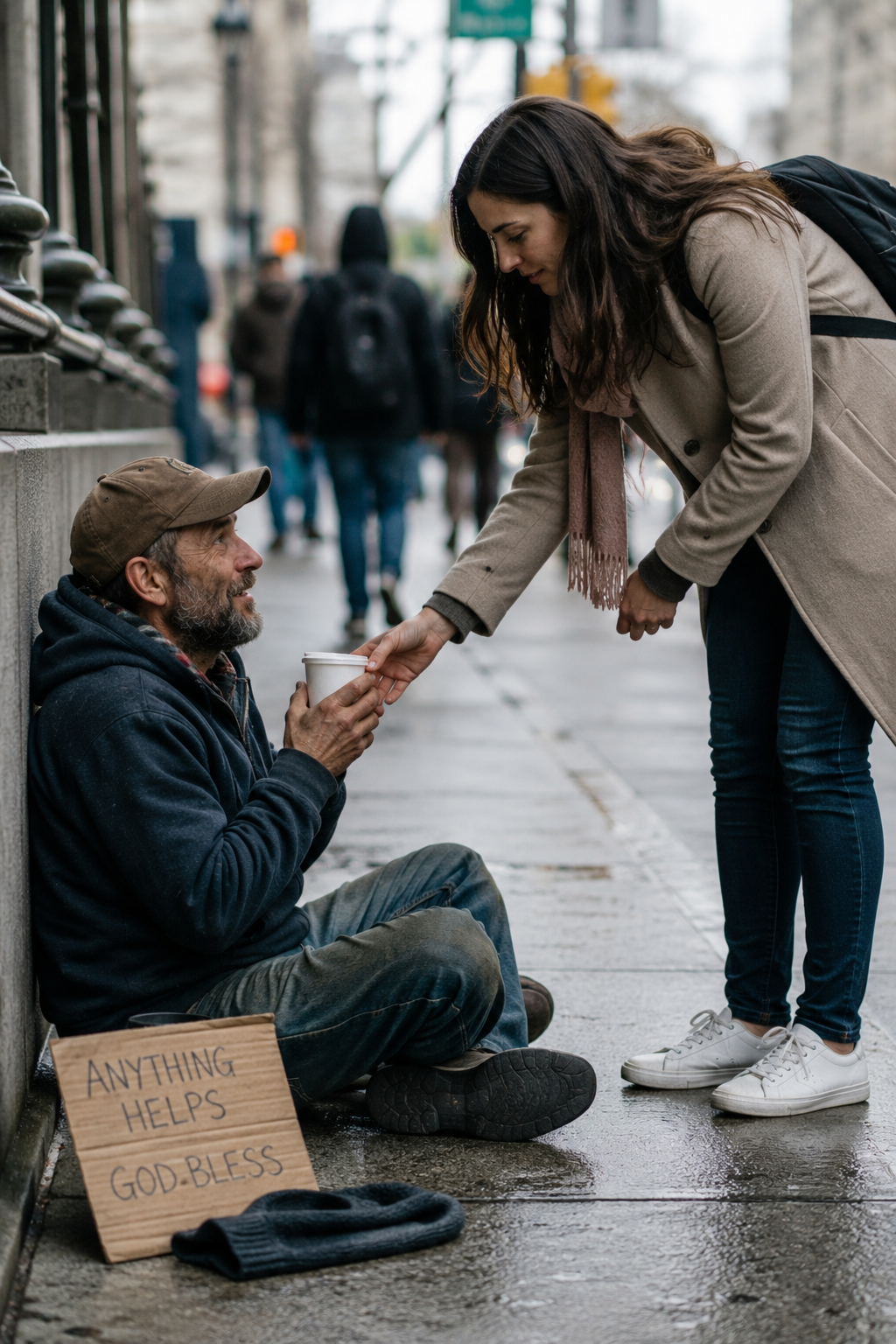
Human empathy seems like some sort of miracle. It is our noblest trait, some would say, disposing us to favor others over ourselves. We celebrate altruism as the exemplar of ethical behavior, but altruism is just a behavior. You can behave altruistically because you believe you are supposed to, or because this is what society expects of you, or because this is what your religion requires of you, or because you will feel embarrassed or shamed or shunned by the group otherwise. You can do and feel all of this without feeling any empathy for the person you are behaving selflessly toward. You may not even like this person. Altruism in the absence of empathy can be explained as self-interest. Your tribe will exact a cost for your selfish behavior, so you are behaving altruistically to avoid a cost to yourself. Empathy, on the other hand, drives you to incur a cost to yourself for the benefit of someone else. There is no anticipation of reward. You experience some sort of out-of-body bonding with another person that aligns your interests and makes their welfare important to you. You want to do this for its own sake. How does that possibly happen?
Free Will
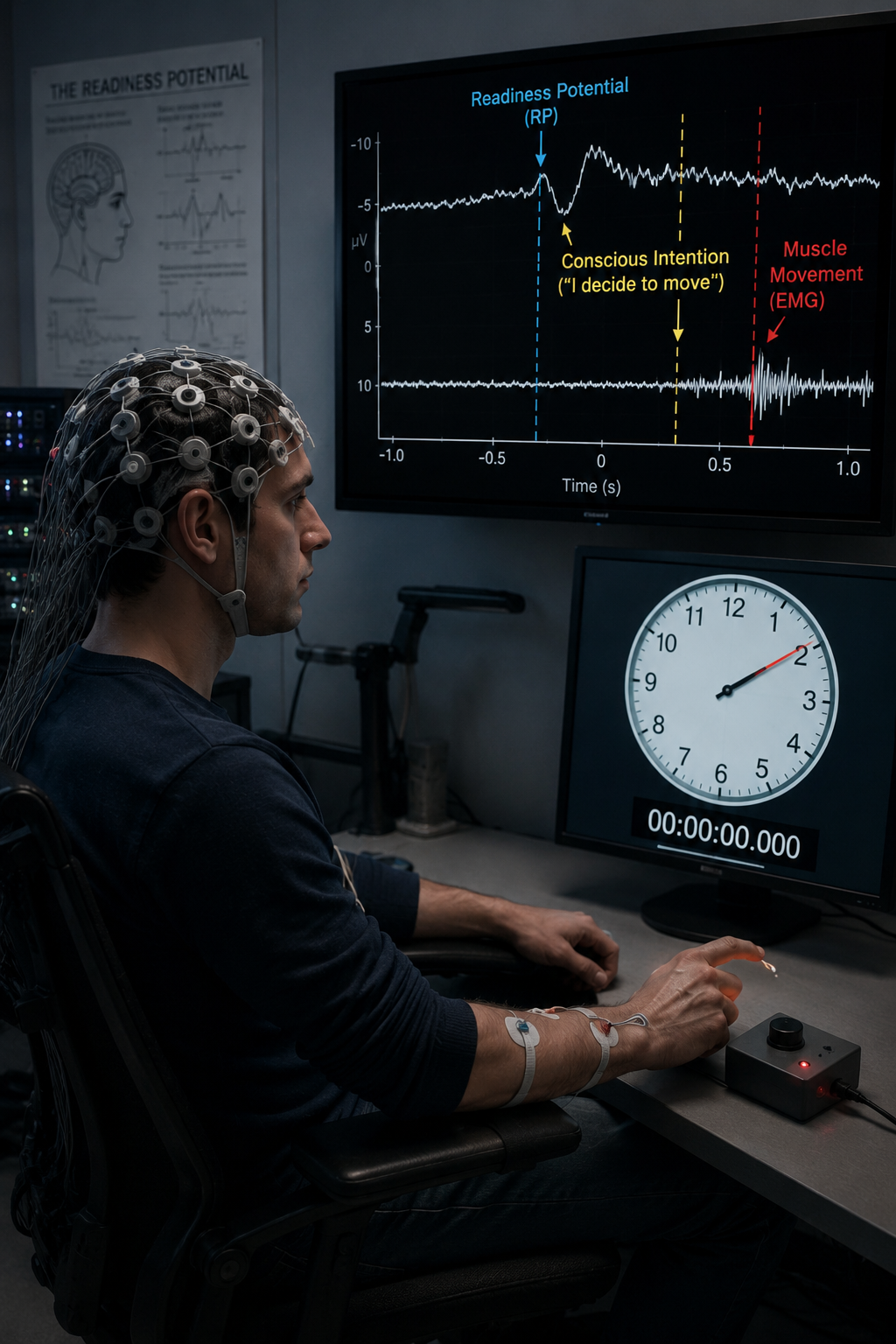
The last, and most recalcitrant, vestige of the soul in a biological world is free will. This would seem to be the one aspect of disembodied agency that can’t be explained by biological reduction, because to reduce it is to make it go away. If our introspective sense of being free to choose whatever next outcome we wish can be accounted for by underlying biological causes, then it must have been an illusion to begin with. You can’t explain it, it seems; you can only explain it away. Love can still be endearing, irresistible, and romantic even though it has biological causes. It is still love. Empathy can be even more noble and uplifting in light of where it came from and how its underlying biology binds us together as a species. It is not only still empathy, it is empathy plus. But how can free will still be free will, if you take away the free part? This is the mother of all gestalt shifts. Unconstrained freedom of choice in our actions is an essential part of every concept we have about moral responsibility. Yet the notion that every event has a prior cause is essential to our very concept of science. We appear to be constrained by logic to pick only one perspective, but the denial of either seems absurd.
Literary Awards
London Book Festival Nominee for General Non-Fiction (Honorable Mention) (2014)
EPIC (Eppie) Award (2015)
New England Book Festival (2014)
Great Midwest Book Festival for General Non-Fiction—Runner-Up (2014)
Southern California Book Festival (2014)
Foreword INDIES Book of the Year Award for Science (Bronze) (2014)